In this article · 10 sections
- Why does jet lag make it so hard to sleep?
- How long does jet lag last?
- What should you do in the first 3 days after landing?
- Is jet lag worse flying east or west?
- How do older travellers cope with jet lag after flying to Europe?
- How can you prepare before the flight?
- What helps with jet lag insomnia?
- Does a stay in Slovenia add jet lag?
- When should you see a doctor about jet lag?
- Frequently asked questions
To deal with jet lag after travel, spend time outdoors in daylight at local times, eat at local mealtimes, keep any nap to 20–30 minutes and go to bed at your destination's usual hour.
Allow roughly a day per time zone crossed, and sometimes longer after flying east. Most people feel settled within three to seven days.
Below you will find why jet lag disrupts sleep, a table for your first three days after landing, the difference between flying east and west, and practical steps for travellers over 50 flying to Europe.
Why does jet lag make it so hard to sleep?
Your body runs on an internal 24-hour cycle, the circadian rhythm. It influences hormone production, body temperature, digestion, energy and alertness. The strongest signal that sets this clock is light.
When you cross several time zones, the pattern of light and darkness changes faster than your body can follow. The result is familiar: you lie awake at night, wake at odd hours, and feel tired or foggy in the middle of the afternoon.
Symptoms usually appear within the first 24 hours after arrival. Common complaints are:
- daytime fatigue and poor concentration;
- difficulty falling asleep, or waking in the night;
- irritability and headaches;
- changes in appetite and digestive discomfort, which is not surprising because digestion also follows the body clock.
Even two or three time zones can be noticeable. How strongly you feel it depends on the number of time zones, your age, your sleep quality before the trip, the length of the flight and your own body.
How long does jet lag last?
A common rule of thumb is about one day of adjustment for each time zone crossed. It is only a guide: many people take longer after flying east, and some adapt faster. Without any support, symptoms often last three to seven days.
| Journey | What to expect |
|---|---|
| 1–3 hours' difference (for example, UK or Gulf to central Europe) | Mild: a slightly broken night or two |
| 4–6 hours' difference | Noticeable: several days to settle |
| 7+ hours' difference, especially flying east | Stronger: a week or sometimes longer |
What should you do in the first 3 days after landing?
The aim is simple: give your body clock clear local signals for light, food and sleep. This plan works for most routes.
| Option | Light and movement | Food and drink | Sleep |
|---|---|---|---|
| Day 1 (arrival) | Get outside soon after landing if it is daytime. Take a gentle walk. Avoid intense exercise | Eat at local mealtimes even if you are not hungry. Drink water, keep alcohol low | Nap for 20–30 minutes at most. Go to bed at a normal local hour, with the room dark and cool |
| Day 2 | Morning daylight for at least 30 minutes. Light activity in the afternoon | Keep to regular meals. Coffee only in the local morning | No naps, or one short one. Wake at a fixed time, even if the night was poor |
| Day 3 | Outdoors again in the morning. Moderate exercise is fine, but finish at least three hours before bed | A lighter evening meal, not too late | Keep your bedtime routine. Dim lights and screens in the last hour |
If you arrive in the evening, skip strong light until the next morning and focus on a calm, dark bedroom.
Is jet lag worse flying east or west?
For most people, flying east is harder. Heading east means you must fall asleep earlier than your body expects, and it is harder to move the clock forward than back. Heading west lengthens your day, which is usually easier to adapt to.
- After flying east: seek morning light, keep your first evening quiet and try to go to bed at a local hour even if you feel wide awake.
- After flying west: stay up until a reasonable local bedtime, use evening light to help you stay awake, and expect to wake early for a day or two.
How do older travellers cope with jet lag after flying to Europe?
Adults over 50 often need more time to realign their circadian rhythm than younger travellers. That does not mean the trip will be hard, only that planning a gentler first days pays off.
- Leave room. If you can, arrive a day or two before any important commitment, and keep the first day free.
- Move on the flight. Walk the aisle regularly and drink water. If you have circulation concerns, ask your own doctor before you fly.
- Use daylight. A walk outdoors in the morning is one of the simplest tools you have.
- Keep meals light and regular. Heavy, spicy or fatty dinners close to bedtime can make sleep worse.
- Plan medication timing with your doctor. If you take regular medicines, ask your own doctor how to time them across time zones before you travel. Do not change timing or add anything on your own.
- Ask before using sleep aids or supplements. Your doctor or pharmacist can tell you what suits you, especially if you have a medical condition.
- Avoid driving when exhausted. Let someone else drive, or use a transfer, on the first day.
How can you prepare before the flight?
Preventing jet lag is usually easier than recovering from it. A few small steps can help:
- Before departure: shift your sleep and wake times a little toward your destination. For eastward trips, go to bed 30–60 minutes earlier each night; for westward trips, go to bed 30–60 minutes later. Drink enough water and go easy on alcohol and coffee.
- On the plane: set your watch to destination time as you board. Try to sleep when it is night there. An eye mask, earplugs and a neck pillow help. Avoid overeating and alcohol.
- After landing: get daylight, eat at local times and avoid very bright screens in the evening.
What helps with jet lag insomnia?
When you cannot fall asleep or you wake at 3 a.m., these habits tend to help most:
- Light at the right time. Be outside during the local day. At night, keep the room dark so your body can prepare for sleep.
- Smart naps. A 20–30 minute nap can ease tiredness without spoiling the night. Long naps late in the day tend to prolong jet lag.
- A cool, dark, quiet room. Around 16–18°C is a comfortable range for many people. Blackout curtains, earplugs or white noise help in a bright or noisy place.
- A simple routine. Reading, gentle stretching or slow breathing signals that it is time to rest.
- Careful with evening caffeine and screens. Keep coffee for the local morning and consider blue-light-blocking glasses if you must use a screen late.
Melatonin is the hormone associated with sleep timing, and supplements are widely discussed for jet lag. Rules and products differ between countries, and it is not suitable for everyone. Ask your doctor or pharmacist whether it is appropriate for you and how it fits with any medicines you take.
Does a stay in Slovenia add jet lag?
Slovenia is on Central European Time: the same time as most of Europe, one hour ahead of the UK and two to three hours behind the Gulf, so a stay here adds little or no time-zone change. If you are coming from further away, the time difference is the one you bring with you, and the first days can be spent resting rather than rushing.
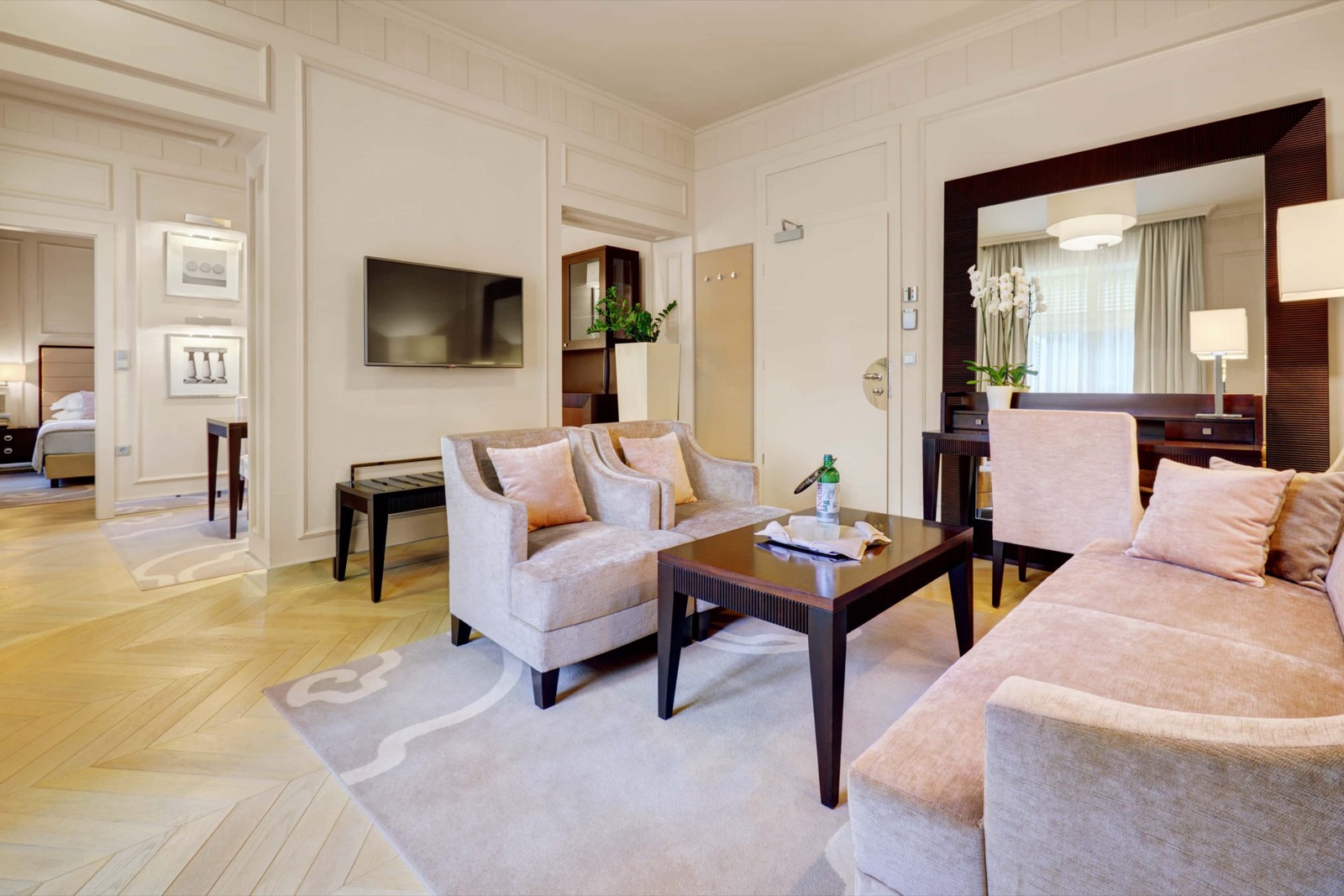
Hotel Aleksander is a 21-room 5-star boutique hotel in Rogaška Slatina, and programmes are led by doctors of Revita Clinic in the hotel. The aim is a place where you can let your body clock settle. Our rooms are set up for sleep, with comfortable mattresses, crisp white bed linen, weighted blankets and a choice of orthopedic pillows. Depending on your goals, a programme may include sleep and energy recovery, anti-stress practices, relaxation, nutrition support after the flight, and gentle movement and breathing practices.
If a long journey comes on top of a stressful period, the Burnout Recovery & Anti-Stress programme starts from €3,690 for 4 nights, accommodation included. With a medical programme, transfer from Graz, Ljubljana or Zagreb airport is free. You can also browse all programmes or read about the hotel.
When should you see a doctor about jet lag?
Most people recover within three to seven days. If sleeplessness, low mood or extreme tiredness last longer than about ten days, speak to your doctor or a sleep specialist. Frequent travellers sometimes develop lasting sleep problems that need a more personal approach based on their own sleep and wake patterns.
Frequently asked questions
How to recover from jet lag?
Give your body clear local signals: daylight in the morning, meals at local times, a short nap at most and a fixed bedtime and wake time. Keep the bedroom dark, cool and quiet, and be patient for a few days.
How long does it take to recover from jet lag?
A common rule of thumb is about a day per time zone crossed, often longer when flying east. Many people feel normal again within three to seven days, though this varies with age, sleep quality and the length of the flight.
How to deal with jet lag fast?
There is no instant fix, but you can speed things up. Get outdoors in daylight soon after landing, eat at local mealtimes, avoid long naps and alcohol, and go to bed at a local hour even if you feel alert.
What is the best way to recover from jet lag using better sleep?
Protect your night. Dim lights and screens in the last hour, keep the room dark and cool, use a simple bedtime routine and wake at the same time each day. Short daytime naps of 20–30 minutes may help without affecting night sleep.
What can I do about jet lag insomnia?
Stay consistent: morning light, regular meals, moderate daytime movement and no coffee late in the day. If you lie awake, get up briefly and do something calm in low light. If problems continue beyond about ten days, talk to your doctor.
This article is for information only and is not medical advice. Results are individual; please ask your own doctor or pharmacist about medicines, supplements and any health concerns.
Thinking about a stay?
Get a plan and prices for your dates
Leave your contact details — a consultant will reach you in your preferred messenger.
- Options and prices for your programme on the dates you want
- Which level and how many nights suit your goal
- Answers to your questions before you book
Free transfer from Graz, Ljubljana or Zagreb airport with a medical programme · 9.5 on Booking.com · 21 rooms
Programme
All programmes
A doctor-led programme at Hotel Aleksander, Rogaška Slatina.
Updated 19 November 2026.